June 24, 2025 •
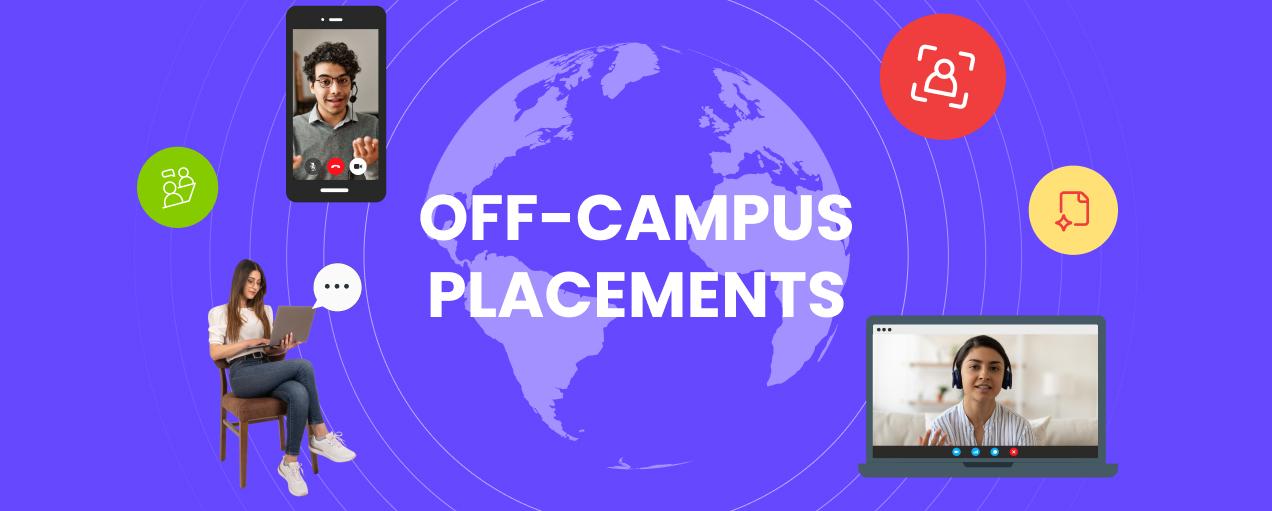
Table of Contents
Share Blog
If you’re feeling boxed in by the limited job openings during your campus placement drive, you’re not alone. In 2023, 82% of Indian colleges struggled to place their students through on-campus drives, often leaving talented graduates with few choices and lower salary offers.
But today, students have more power than ever before. Off-campus placement opens the door to a world of possibilities, giving you access to global and remote jobs, better salary packages, and the freedom to choose roles that truly fit your ambitions. You can connect with companies of all sizes, from exciting startups to global giants, and explore positions that match your unique skills and interests.
The best part? Off-campus recruitment puts you in control. You decide where to apply, how to present your strengths, and which job offer to accept. With more companies now hiring year-round and 68% of freshers landing their first job through off-campus channels, you have the flexibility to customize your job search for the career you really want.
Ready to unlock more opportunities, better pay, and a career on your own terms? Let’s dive into how off-campus placement can help you reach your dream job.
Off-campus placement is an independent, year-round hiring process where you, as a student, take charge of your own job search—beyond the limited options offered by your college’s campus placement drive.
In 2025, this approach has become the new normal for early talent in India, driven by the rise of skill-based hiring and the need for more flexibility in the job market. According to a 2024 Naukri.com survey, 68% of freshers landed their first job through off-campus recruitment, not through campus placement.
This shift is happening because most companies now want to discover talent with the right skills, adaptability, and a proactive mindset, rather than relying solely on college visits. Off-campus placement empowers you to explore diverse job opportunities, connect directly with employers, and shape your career journey on your own terms.
When you’re deciding how to launch your career, it’s important to know how on-campus and off campus placement really compare. Here’s a clear look at what sets them apart—and why so many students are now choosing off-campus recruitment for more job opportunities, better salaries, and greater control.
Feature | On-Campus Placement | Off-Campus Placement |
Timing | Fixed period, usually once a year | Year-round, apply anytime |
Job Openings | Limited to companies visiting campus | Access to thousands of job roles globally |
Process | College-managed, less self-driven | Self-driven, you manage your applications |
Opportunities | Mostly local or national | Includes remote, hybrid, and global jobs |
Salary Packages | Often standardized, less negotiable | More room to negotiate better packages |
Company Choice | Restricted to campus recruiters | Target any company, from startups to MNCs |
Preparation | Guided by placement cell | Requires proactive skill-building |
Interview Experiences | Standardized, less flexible | Diverse, tailored to each company |
Off campus placement lets you explore a much wider range of job openings, including remote and international roles.
You can customize your applications, showcase your strengths, and negotiate for better salary packages.
Most companies are now hiring throughout the year and focusing on skills, not just degrees.
Choosing off-campus doesn’t mean missing out—it means unlocking more possibilities, higher salary packages, and the chance to shape your own career journey.
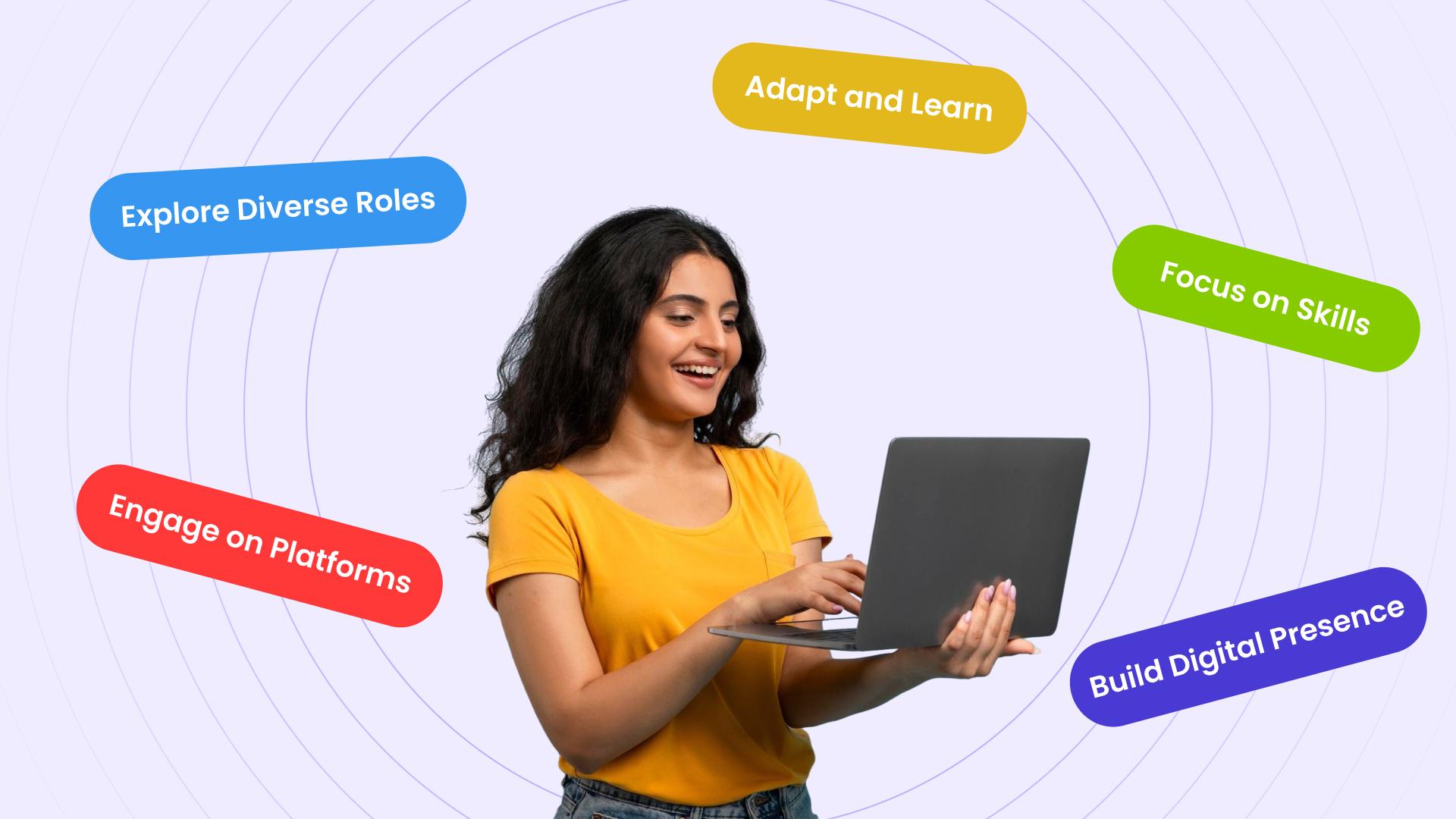
Today’s job market rewards students who think and act differently. Off campus placement isn’t just a backup plan—it’s a proactive strategy for building your dream career. Here’s how you can shift your mindset and stand out as early talent:
Treat your job search like a discovery journey: Instead of waiting for campus job openings, explore a variety of roles, industries, and companies that align with your interests and skills. Modern platforms like LineupX make it easier to discover and connect with employers year-round, not just during campus drives.
Build your ‘career storefront’: Think of your resume, LinkedIn, GitHub, and personal projects as your digital storefront. Keep them updated, showcase your best work, and let your strengths shine—employers now look for visible, well-rounded talent online.
Embrace new job search platforms: 75% of recruiters in India now source freshers through online platforms and job boards, not just campus placement cells. This means your visibility and engagement on these platforms can directly impact your job opportunities.
Focus on skills over pedigree: Most companies are shifting to skill-based hiring. Invest in building both hard and soft skills—adaptability, problem-solving, and virtual collaboration are among the most in-demand for 2025.
Stay agile and open to feedback: The off campus placement process is dynamic. Be ready to learn from every interview experience, seek feedback, and adapt your strategy as you go.
By adopting this mindset, you’re not just searching for jobs—you’re building a career that’s future-ready, resilient, and uniquely yours.
Gone are the days when students relied only on job boards or campus placement cells to find their first job. The job market in 2025 is discovery-driven—where visibility, year-round engagement, and proactive employer connections matter more than ever.
Traditional job boards work like notice boards: you scroll through hundreds of job openings, send out applications, and wait for a response. But with thousands of candidates applying for every role, it’s easy to get lost in the crowd. Many individuals find that simply applying on job portals rarely leads to interview experiences or meaningful feedback.
That’s why modern students are turning to career marketplaces like LineupX. Here’s how the new approach is changing the game:
Continuous Discovery: Unlike one-time campus drives or static job postings, a career marketplace keeps you visible to employers all year round. Most companies now search for early talent on these platforms, not just during campus placement season.
Personalized Matches: AI-powered tools recommend job opportunities that fit your skills, interests, and career goals, saving you time and helping you focus on the right positions.
Direct Employer Engagement: Employers on marketplaces are actively looking for candidates with the right skills and mindset, leading to more relevant interview experiences and faster responses.
Showcase Your Strengths: You can build a strong profile, highlight your past work experience, and share certifications or projects—making it easier for recruiters to see your potential.
A recent LinkedIn India report found that 75% of recruiters now discover freshers through platforms like LinkedIn and specialized career marketplaces, not just through campus placement cells or job boards. This means your chances of landing your dream job increase when you join platforms designed for discovery, engagement, and skill-based hiring.
Knowing where you stand helps you focus your efforts and build confidence. Use this self-assessment to track your placement readiness:
Stage | Description | What to Focus On |
1 | Not sure where to start | Explore career options, build your resume |
2 | Resume ready, but struggle in interviews | Practice mock interviews, build confidence |
3 | Getting calls, but not converting to offers | Refine interview skills, get feedback |
4 | Multiple offers, choosing the right fit | Evaluate offers, negotiate, make decision |
Think of your job search like running your own online store—except you’re the brand. In today’s competitive job market, building a strong personal brand is crucial for standing out in off campus placement and attracting top employers. Most companies now look beyond just degrees; they want to see your skills, projects, and how you present yourself online.
Here’s how to create a ‘career storefront’ that gets noticed:
Showcase Your Best Work: Keep your resume, LinkedIn, GitHub, and portfolio sites like Behance or Dribbble updated. Highlight your skills, certifications, and any real-world projects or internships you’ve completed. This gives employers a window into your abilities and growth.
Stay Market-Ready: Regularly update your profiles with new skills, certifications, and achievements. Recruiters often search for candidates year-round, so being “market-ready” means you never miss out on job opportunities.
Tell Your Story: Use your profiles to share your journey—what motivates you, what you’ve learned, and where you want to go. A compelling story can help you connect with employers who value your mindset and potential.
Get Feedback: Ask mentors, alumni, or even use AI-powered tools to review your resume and online profiles. Small tweaks can make a big difference in how you’re perceived.
Be Consistent: Make sure your information matches across all platforms. Consistency builds trust and makes it easier for recruiters to remember you.
A strong ‘career storefront’ not only boosts your chances in off campus recruitment, but also helps you attract the right job openings, connect with professionals, and prepare for meaningful interview experiences. With platforms like LineupX, students can easily build and update their profiles, get AI-powered feedback, and stay visible to top employers all year round.
Platform Type | Platform Names | Key Features & Benefits | Pro Tips for Students |
Career Marketplaces | AI-powered, year-round discovery; personalized job updates; profile matching; mock interviews; job tracker | Stay active, update your profile, use lastest job boards and interview tools | |
Job Portals | Naukri.com, Indeed, Monster | Wide range of job openings; advanced filters by role, location, industry | Tailor your resume for each application; apply broadly |
Professional Networks | 75% of recruiters source freshers here; networking; job alerts; company pages | Build connections, join groups, follow companies | |
Remote Job Boards | Remote.co, We Work Remotely, FlexJobs | Remote/hybrid jobs; global opportunities | Explore for flexibility and international exposure |
Freelance & Gig Sites | Upwork, Freelancer, Internshala | Short-term projects, internships, real-world experience | Use for skill-building and to boost your portfolio |
Company Websites | Direct employer sites | Exclusive job postings; direct applications | Make a list of target companies, check regularly |
Campus Job Boards | College/university placement cells | Sometimes exclusive roles; local employer connections | Don’t ignore, even if focusing on off-campus roles |
A structured guide to the most effective platforms and tools for off campus placement, so you can maximize your reach.
LineupX, Superset:
AI-powered platform for year-round discovery and personalized job updates.
Matches your profile with relevant job openings from top employers, including remote and global roles.
Offers tools for tracking applications, practicing mock interviews, and getting feedback—all in one place.
Naukri.com, Indeed, Monster:
Widest range of job opportunities across industries and locations.
Use advanced filters to target specific job roles, locations, and companies.
Pro tip: Tailor your resume for each application, as each portal receives 1,000+ applicants per opening.
Professional Networking & Job Search:
75% of Indian recruiters source freshers via LinkedIn and job boards
Build a strong, updated profile; join professional groups; follow company pages for job updates.
Use LinkedIn’s networking features to connect with alumni, recruiters, and industry professionals.
Remote.co, We Work Remotely, FlexJobs:
Focused on remote and hybrid job openings, including international companies.
Ideal for students seeking flexibility or global exposure.
Upwork, Freelancer, Internshala:
Great for short-term projects, internships, and building work experience.
Participating in hackathons and open-source projects (on platforms like Devfolio, GitHub, Kaggle) can boost your skills and visibility.
Direct Applications:
Many companies post job openings exclusively on their careers page.
Create a list of target employers and check their websites regularly for new positions.
Subscribe to company newsletters for instant job updates.
Campus Placement Cells:
Even if you’re focused on off campus recruitment, don’t ignore exclusive roles shared by your college or university.
Apply Broadly:
Combine jobs sourced by your
placement cell with independent searches to access up to 10x more job opportunities.
Leverage AI Tools:
Use AI-powered resume builders and job matchers to boost your chances.
Stay Active:
Keep your profiles updated and respond quickly to recruiters—most companies value engaged candidates.
Track Your Progress:
Use job trackers to organize applications, follow-ups, and interview experiences.
By using these platforms with a strategic approach, you’ll unlock more job opportunities, connect with forward-thinking employers, and accelerate your journey to your dream job.
Today, Most companies use Applicant Tracking Systems (ATS) to filter resumes before they are even seen by a human. That means your resume needs to be both visually appealing and machine-readable to make it through the first round.
Here’s how you can build a strong, ATS-friendly resume for off-campus placement in 2025:
Platforms like LineupX offer AI-powered resume builders that help you create professional, job-relevant resumes in minutes. These tools automatically suggest impactful keywords, highlight your skills, and ensure your resume matches the job description.
AI-driven feedback can help you optimize formatting, structure, and content to boost your chances of getting shortlisted.
Carefully read each job description and include relevant keywords—skills, tools, and certifications that match what employers want.
Highlight measurable achievements from your past work experience, internships, or projects. For example, “Increased user engagement by 30% during my internship at XYZ Company.”
Avoid generic phrases. Be specific about your contributions and results.
Use clear headings, bullet points, and a logical format. Avoid fancy graphics or tables that ATS software may not read correctly.
Stick to standard fonts and keep your resume ideally to one page for freshers.
Include academic projects, open-source contributions, or freelance work that demonstrates your abilities for the job role you’re targeting.
List both hard skills (like Python, Excel, data analysis) and soft skills (like teamwork, adaptability, problem-solving).
Always keep your resume updated with new skills, certifications, and experiences.
Customize your resume for each job opening, adjusting keywords and achievements to fit the specific role.
Use AI-powered feedback tools or seek input from mentors and alumni to refine your resume further.
Double-check for typos, inconsistencies, and outdated information.
Quick Stat:
With 99% of hiring managers now using AI tools in recruitment, and 75% of Indian recruiters allocating up to 70% of their hiring budgets to AI-powered platforms, having an ATS-friendly, AI-optimized resume is more crucial than ever for off campus placement success.
A strong resume is your gateway to more interview experiences and job opportunities. By leveraging AI tools and focusing on measurable achievements, you’ll boost your chances of landing your dream job in today’s fast-moving job market.
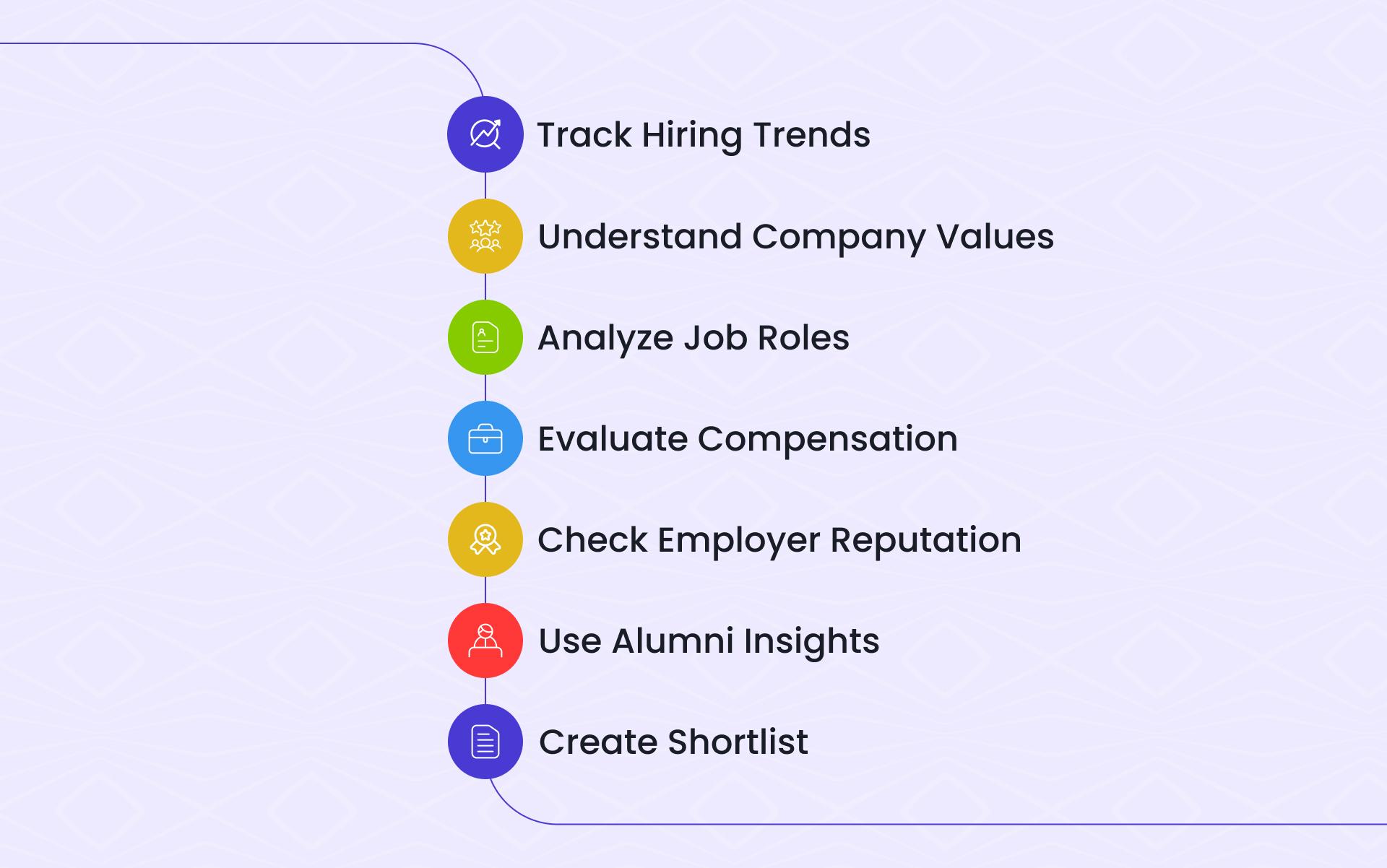
With so many job openings and organizations out there, it’s crucial to be strategic and selective. Here’s how you can research and shortlist companies to find the best match for your skills, values, and career goals.
Stay updated on fast-growing industries and companies that are actively hiring freshers. Sectors like technology, fintech, e-commerce, and renewable energy are seeing a surge in job opportunities for early talent in 2025.
Use platforms like LineupX, LinkedIn, and company websites to follow hiring news, expansion plans, and recent funding announcements.
Research the company’s mission, values, and work culture. Look for organizations that align with your own principles and career aspirations.
Read employee reviews on sites like Glassdoor, AmbitionBox, or even the company’s social media channels to get a sense of workplace environment and growth opportunities.
Carefully read the job description for each opening. Check if the responsibilities, required skills, and growth paths align with your interests and strengths.
Look for companies that offer learning, mentorship, and upskilling opportunities—these play an important role in your long-term career development.
Compare salary packages, benefits, and perks across companies. Off campus recruitment often gives you more room to negotiate for better pay and flexible work options.
Don’t just focus on salary—consider health benefits, remote work policies, learning budgets, and career advancement programs.
Research the company’s financial health, leadership team, and recent news. Stable, growing organizations are more likely to offer secure, long-term roles.
Look for companies with a track record of investing in early talent and promoting from within.
Reach out to alumni or professionals working at your target companies. Ask about their interview experiences, work-life balance, and growth stories.
Many individuals find valuable insider tips and even referrals through their network—don’t hesitate to connect!
Make a list of your top 10–20 companies based on your research.
Use a job tracker (like the one available on LineupX) to monitor application deadlines, interview stages, and feedback for each company.
By researching and shortlisting companies thoughtfully, you’ll boost your confidence, save time, and increase your chances of finding a dream job that’s the perfect fit for you.
Use a professional photo and clear headline.
Write a compelling summary with your career goals and key skills.
Regularly update your work experience, internships, and certifications.
Request recommendations from mentors, professors, or colleagues.
Use platforms like GitHub (for engineering, coding, or analytics), Behance (for design), or a personal website to showcase your best work.
Include links to completed projects, open-source contributions, and any freelance or internship work.
Review your public posts and privacy settings on platforms like Instagram, Facebook, and Twitter.
Remove or hide content that might not reflect your professional image.
Participate in relevant online communities, forums, and groups.
Share articles, comment on industry trends, and publish your own insights or project learnings.
Ensure your information—name, education, skills, and work experience—is consistent across all your professional profiles.
Use the same professional photo and similar descriptions to build trust and recognition.
Google Yourself: Search your name online to see what recruiters will find. Update or remove outdated or irrelevant information.
Showcase Soft Skills: Use your profiles to highlight teamwork, leadership, problem-solving, and adaptability—skills that play an important role in today’s job market.
Stay Active: Regularly update your profiles with new skills, certifications, and achievements to signal that you’re engaged and ready for new job openings.
A strong online presence not only boosts your visibility for off campus recruitment but also helps you connect with professionals, participate in industry conversations, and stay updated on the latest job opportunities.
Adaptability: The ability to learn new skills and adjust to changing job requirements is crucial, especially as organizations embrace new technologies and remote work models.
Communication: Clear, confident communication—both written and verbal—plays an important role in interview experiences, teamwork, and leadership.
Problem-Solving: Employers want candidates who can tackle challenges, think critically, and offer creative solutions in real-world situations.
Empathy: Understanding and respecting different perspectives helps you build strong relationships and work effectively in diverse teams.
Virtual Collaboration: With remote and hybrid jobs on the rise, being able to work productively with others online is a must-have skill for freshers and early talent.
Learn more about the skills needed today based on specific industries
Participate in group projects, internships, or student organizations to practice teamwork and leadership.
Take online courses focused on communication, adaptability, and creative thinking—these are often free or low-cost and can be added to your resume.
Reflect on your past work experience and prepare real examples to discuss during interviews, showing how you handled challenges or contributed to a team’s success.
Ask for feedback from mentors, professors, or peers and use it to improve your approach.
Highlight soft skills in your resume and online profiles—don’t just list them, but back them up with specific achievements or stories.
Pro Tip
During interview experiences, use the STAR method (Situation, Task, Action, Result) to clearly explain how you used soft skills to solve problems, lead a project, or adapt to new situations. This makes your answers more memorable and impactful for recruiters.
A strong foundation in soft skills, combined with your technical expertise, will help you stand out in off campus recruitment and give you the confidence to succeed in any job role or organization. Stay proactive about learning and practicing these skills—they’re your ticket to thriving in the modern job market.
AI is transforming the off campus placement journey for students, most companies and recruiters today rely on AI-powered platforms to source, screen, and hire early talent, so knowing how to use these tools gives you a real edge in the job market.
Wider Reach: 75% of recruiters now source freshers through online platforms and job boards powered by AI, making it crucial for students to stay active and visible on these platforms.
Faster, Smarter Hiring: 99% of hiring managers use AI in recruitment, with 86% saying it reduces hiring time by up to 70%.
Better Job Matches: AI-driven platforms recommend job openings based on your skills, interests, and career goals, improving your chances of landing the right job role.
Improved Retention: AI-powered hiring can boost employee retention by 20% because of better job fit.
Tool Type | What It Does | Examples/Platforms | How It Helps Students |
Resume Builders | Create ATS-friendly, keyword-optimized resumes | LineupX, Jobscan, Rezi | Boosts your resume’s visibility and match |
Job Matchers | Recommend jobs tailored to your profile | LineupX, LinkedIn, Naukri | Saves time, finds relevant job openings |
Interview Simulators | Practice mock interviews, get instant AI feedback | CoachX (LineupX), InterviewBuddy | Improves interview experiences and skills |
Content Creation | Draft cover letters, emails, and LinkedIn posts | Grammarly, ChatGPT | Helps you write with clarity and confidence |
Application Trackers | Organize and monitor your job applications and progress | Google Sheets, LineupX Tracker | Keeps your search organized and focused |
Skill Gap Analysis | Identify missing skills, suggest courses | Coursera, LinkedIn Learning | Guides your upskilling and preparation |
Pro Tips for Using AI in Your Job Search
Stay Updated: Regularly update your profiles and resumes on AI-powered platforms to receive the latest job updates and recommendations.
Use Keywords: Mirror the job description in your resume and online profiles, as AI tools scan for specific skills and experience.
Practice with Mock Interviews: Use AI simulators to get comfortable with different interview formats and receive actionable feedback.
Be Aware of Bias: While AI increases efficiency, always review automated results and ensure your unique skills and experiences are highlighted.
By leveraging these tools, you’ll be better prepared and more visible to employers seeking early talent.
With most companies now using a mix of technical, behavioral, and situational rounds (often conducted virtually), early talent needs to be ready for every scenario.
Use AI-powered tools like CoachX from LineupX to simulate real interview experiences, get instant feedback, and identify areas for improvement.
Practice both technical and HR interview questions relevant to your job role.
Record yourself and review your answers to build confidence and communication skills.
Structure your answers using the STAR (Situation, Task, Action, Result) technique to clearly communicate your achievements and problem-solving abilities.
Use real examples from internships, projects, or extracurricular activities.
Test your tech setup—ensure your internet, camera, and microphone work smoothly.
Choose a quiet, well-lit space for the interview.
Dress professionally, just as you would for an in-person interview.
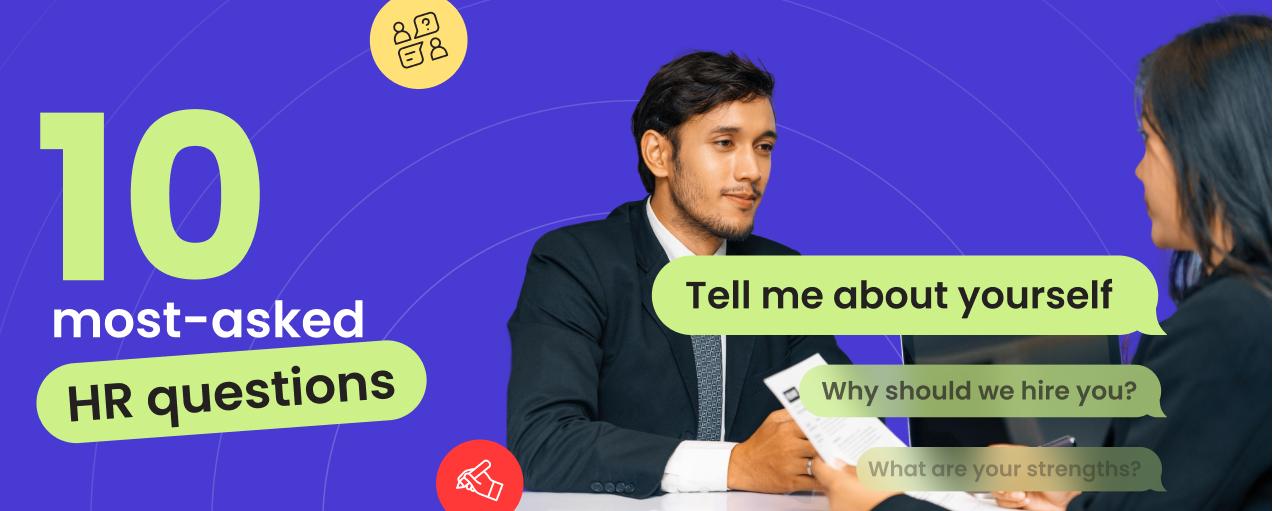
Prepare for frequently asked questions like “Tell me about yourself,” “Why should we hire you?” and “Describe a challenge you overcame.”
Be ready for situational and case-based questions that test your critical thinking and adaptability.
After each interview, jot down what went well and what you’d improve for next time.
Use feedback from mock interviews and real experiences to refine your approach.
With the right preparation and tools, you’ll turn interview experiences into job offers and take a confident step toward your job.
A strong portfolio is your proof of skills—especially for engineering, design, and analytics roles. In today’s job market, most companies want to see real work, not just a degree or a strong resume. Your portfolio can include academic projects, internships, freelance work, and contributions to open-source communities.
Start with a simple website or use platforms like GitHub (for code), Behance (for design), or Dribbble.
Add academic projects, hackathon entries, and freelance gigs.
Regularly update your portfolio with new skills, certifications, and completed work.
Contributing to Open Source:
Join open-source projects on GitHub or platforms like Devfolio and Kaggle.
Even small contributions help you learn, network, and boost your visibility to recruiters.
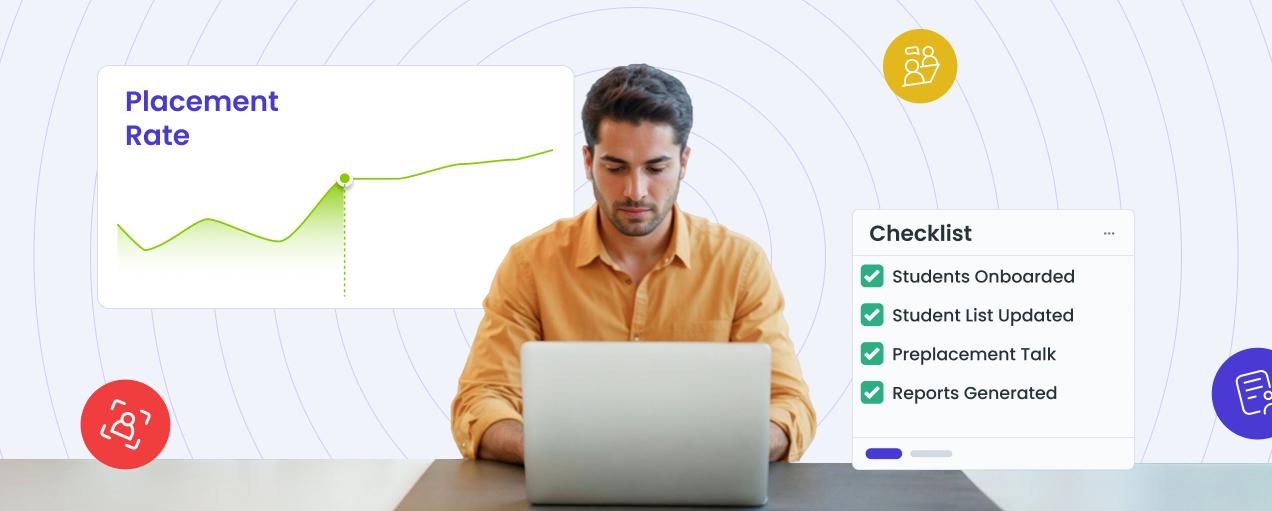
Stay on track with this quick checklist. Tick off each step as you progress in your off campus placement journey:
Resume and LinkedIn profile are updated and market-ready.
Portfolio or project showcase is live and up to date.
Applied to at least 200 job openings across platforms.
Job tracker is in use to monitor applications and interview experiences.
Practiced mock interviews (AI-powered or with peers).
Networked with alumni, professionals, and mentors.
Upskilled with new courses and certifications.
Ready with company-specific questions for interviews.
Soft skills and hard skills are highlighted in all profiles.
Actively check job updates and respond promptly.
Off campus placement is now the mainstream path for students to land their dream job. With more job opportunities, better salary packages, and the flexibility to choose your own journey, you have the tools to succeed in a discovery-driven job market. Stay visible, keep learning new skills, and be proactive—your next opportunity could be just a click away.
For more tips, job updates, and resources, stay connected with LineupX. Your dream job is closer than you think!
Related Blogs

Indian Address:
6017, RBTIC, YP Rd, IIT Powai, Mumbai, Maharashtra 400076
US Address:
1007 N Orange St. 4th Floor, Wilmington City, DE - 19801
Hiring Solution
Get in Touch
Follow Us On


© Copyright 2026