June 12, 2025 •
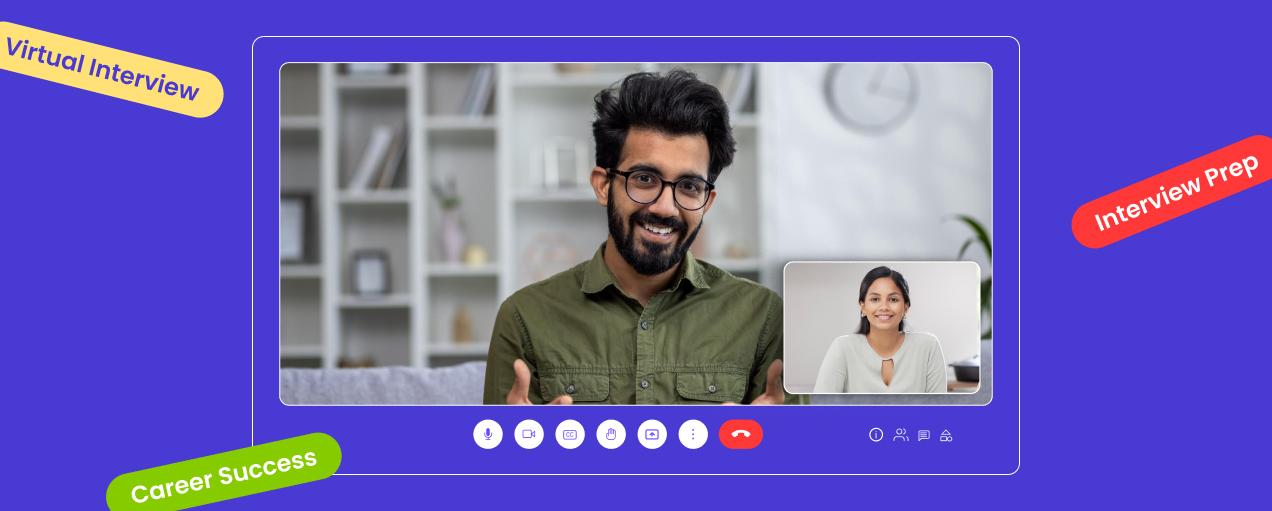
Table of Contents
Share Blog
Ever had your video freeze just as you started to answer? You’re not alone. Virtual interviews jumped 300% since 2020—and 82% of companies now kick off hiring this way. That makes mastering online interviews a must, not a nice-to-have.
For students and fresh graduates entering the job market, mastering online interviews isn't optional—it's essential. Companies have discovered that remote interviewing saves time, reduces costs, and allows them to connect with talent pool globally. This shift means you need to adapt quickly to stay competitive.
What you’ll learn in this guide
Get your tech glitch-free
Present like a pro on camera
Communicate with impact through a screen
Navigate every interview format
Follow up to seal the deal
Whether you’re aiming for your first internship or chasing your dream role, this guide will turn nerves into confidence. The future of hiring is digital—let’s make you shine.
A virtual interview is a remote job interview conducted through video conferencing software like Zoom, Google Meet, or Microsoft Teams. Instead of meeting face-to-face, candidates and employers connect digitally from their respective locations.
Live Video Interviews are real-time conversations where both parties interact simultaneously, just like traditional in person interviews but through screens.
One-Way Video Interviews involve candidates recording responses to pre-recorded interview questions at their convenience, which employers review later.
Phone Interviews with Video Components combine traditional voice calls with screen sharing or video elements for presentations or technical demonstrations.
For employers, virtual interviews eliminate geographical barriers, reduce scheduling conflicts, and cut recruitment process costs significantly. They can interview more candidates in less time and assess technical skills through screen sharing.
For candidates, virtual interviews offer convenience and comfort. You save on travel time and expenses while interviewing from familiar surroundings. This format also allows you to have notes nearby and reduces some interview anxiety.
The flexibility of virtual interviews has made them a permanent fixture in modern hiring, especially for initial screening rounds and remote positions.
Virtual interviews have become essential for students entering today's competitive job market. Understanding their importance can give you a significant advantage in your career journey.
Virtual interviews eliminate location constraints completely. You can now interview with companies across India or globally without leaving your campus. This opens doors to opportunities that were previously inaccessible due to distance or travel costs. Students from tier-2 and tier-3 cities now compete on equal footing with metropolitan candidates.
Traditional live interviews require significant expenses—travel tickets, accommodation, meals, and time away from studies. Virtual interviews eliminate these costs entirely. You can attend multiple interviews in a single day without any financial burden, allowing you to explore more opportunities and increase your chances of landing the perfect role.
Employers value candidates who demonstrate technological adaptability and digital communication skills. Successfully navigating virtual interviews proves you're comfortable with remote work tools—a crucial skill in today's hybrid work environment. This technical proficiency often becomes a differentiating factor between candidates.
The virtual interview trend continues accelerating. Companies now use AI-powered assessment tools and interactive platforms to evaluate candidates more comprehensively. Students who master virtual interview skills position themselves ahead of peers who rely solely on traditional interview preparation.
Virtual interviews aren't just convenient—they're your gateway to unlimited career possibilities in an increasingly digital world.
Success in virtual interviews starts with thorough preparation across three critical areas. Master these fundamentals to project confidence and professionalism from the moment you join the call.
Run speed tests at least 24 hours before your interview. Aim for minimum 10 Mbps download and 5 Mbps upload speeds. If your connection is unstable, consider using mobile hotspot as backup or relocating to a space with stronger WiFi signal.
Choose a laptop or desktop over mobile devices for better stability and professional appearance. Test your camera and microphone quality by recording a short video. Ensure your device is fully charged and plugged in during the interview.
Invest in quality headphones or earbuds to eliminate echo and background noise. Test audio levels beforehand—your voice should be clear without being too loud or soft.
Download and familiarize yourself with the interview platform (Zoom, Google Meet, Microsoft Teams) at least a day prior. Practice joining meetings, using mute/unmute functions, and screen sharing if relevant to your role.
Always have the interviewer's phone number ready. Know how to quickly switch to phone audio if video fails. Test your backup internet connection and have a secondary device available.
Choose a quiet room and inform family members or roommates about your interview timing. Put devices on silent mode and close unnecessary applications that might send notifications during the call.
Select a clean, uncluttered background—a plain wall works perfectly. Avoid busy patterns, personal photos, or anything distracting. Virtual backgrounds can be risky due to technical glitches, so use them only if absolutely necessary.
Position yourself facing a window for natural front lighting. Avoid sitting with bright lights or windows behind you, which creates unflattering shadows. If natural light isn't available, use a desk lamp positioned in front of you.
Wear professional attire from head to toe—you never know when you might need to stand up. Choose solid colors over patterns, and avoid white or very bright colors that can appear washed out on camera.
Position your camera at eye level to maintain natural eye contact. Look directly at the camera lens when speaking, not at the screen. This creates the impression of direct eye contact with your interviewer.
Study the company's mission, recent news, social media presence, and mission statement. Understand their products, services, and market position. Research the specific role requirements and how your skills align with their needs.
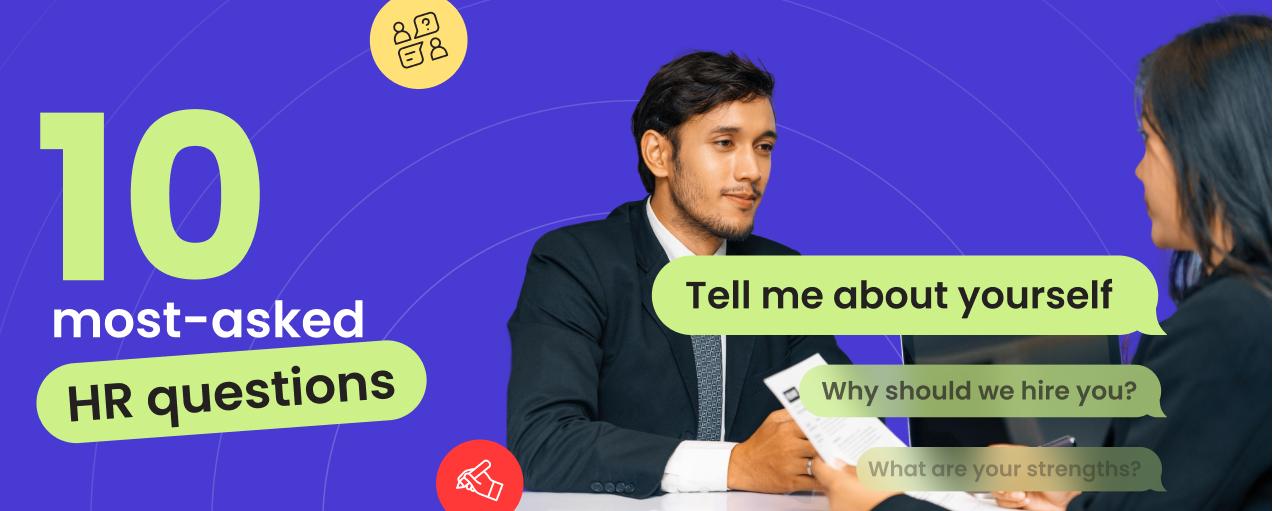
Prepare compelling answers for standard questions like "Tell me about yourself", "Why are you interested in this role?" and "What are your strengths and weaknesses?" Practice these until they feel natural, not rehearsed.
Structure your behavioral responses using Situation, Task, Action, Result framework. This method helps you provide concrete examples that demonstrate your capabilities and achievements effectively.
Develop 3-5 intelligent questions about the role, team dynamics, company culture, or growth opportunities. This shows genuine interest and helps you evaluate if the position aligns with your career goals.
Virtual interview preparation requires attention to detail, but mastering these essentials will set you apart from other candidates and boost your confidence significantly.
The moment you join the virtual interview, your performance begins. These strategies will help you shine through the screen and make a lasting impression on your potential employer.
Sit upright with your shoulders back and maintain confident posture throughout the interview. This projects professionalism and engagement. Use natural hand gestures when speaking—they add energy to your responses and help convey your points more effectively. Keep your movements within the camera frame to maintain visual connection.
Demonstrate that you're fully present by nodding appropriately when the interviewer speaks. Smile genuinely when discussing topics you're passionate about or when building rapport. These visual cues translate well through video and show you're an engaged, personable candidate.
Look directly into the camera lens, not at the screen, when speaking. This creates the illusion of direct eye contact with your interviewer. Place a small arrow or reminder near your camera to help you remember this crucial detail.
Resist the urge to look away from the camera or check other devices. Keep your focus solely on the interview conversation. Close unnecessary applications and put your phone on silent to avoid tempting notifications.
Structure your responses to be concise and impactful. Get straight to the point without unnecessary rambling. Use the STAR method (Situation, Task, Action, Result) to organize your thoughts and provide concrete examples that showcase your abilities.
Let your genuine interest in the role and company shine through your voice. Speak with energy and positivity—this enthusiasm is contagious and memorable. Vary your tone to avoid sounding monotonous, especially since virtual formats can sometimes flatten vocal dynamics.
Share specific examples and stories that demonstrate your skills and experiences. These narratives make you more memorable and help interviewers visualize your potential contributions to their team. Choose stories that directly relate to the job requirements.
If you don't understand a question completely, don't hesitate to ask for clarification. This shows thoughtfulness and ensures you provide relevant answers. It's better to ask than to answer the wrong question entirely.
If you experience technical difficulties, inform your interviewer right away. Don't try to hide problems or struggle silently. A simple "I'm experiencing some audio issues on my end" shows professionalism and transparency.
Be ready to suggest alternatives if technology fails. Offer to switch to a phone call for audio-only conversation, or suggest rescheduling if the issues are severe. Having solutions ready demonstrates your problem-solving abilities.
Remember that technical glitches can happen to anyone, including your interviewer. Stay patient and professional throughout any technical difficulties. Your calm response to unexpected challenges actually becomes part of your interview performance.
Virtual interviews require you to be more intentional about your communication, but mastering these skills will serve you well in any remote work environment—a valuable asset in today's job market.
Your online interview performance doesn't end when you click "leave meeting." The post-interview phase is crucial for reinforcing your candidacy and demonstrating professionalism that sets you apart from other candidates.
Send a Thoughtful Thank-You Email
Within 24 hours of your interview, send a personalized thank-you email to each hiring managers. This isn't just courtesy—it's a strategic move that keeps you top-of-mind. Reference specific conversation points from your interview to show you were actively engaged. Mention something unique you discussed, whether it was a company initiative, team challenge, or shared interest.
Reinforce Your Value Proposition
Use your thank-you note to briefly reiterate why you're the ideal candidate for the role. Highlight one or two key qualifications that align perfectly with their needs. Express genuine enthusiasm for the opportunity and the company culture. This reinforcement helps interviewers remember your strongest selling points when making their decision.
Strategic Follow-Up Timeline
If the interviewer provided a specific timeline for their decision, respect it. If they said "we'll get back to you within two weeks," wait until that timeframe passes before following up. When you do follow up, keep it brief and professional. Express continued interest and ask if they need any additional information from you.
Maintain Professional Persistence
One follow-up email after the specified timeframe is appropriate. If you still don't hear back after another week, you can send one final, polite inquiry. After that, it's best to move forward with other opportunities while keeping this one in consideration.
Remember, your follow-up communication is another opportunity to showcase your professionalism and genuine interest in joining their team. Make it count.
Perfect your virtual interview process through practice with LineupX's Virtual AI Coach. Our platform helps you prepare for a virtual interview environment with realistic simulations and skills assessments that mirror real hiring scenarios.
The AI coach provides instant feedback on your communication style, body language, and technical setup while conducting mock interviews tailored to your target roles. This practice significantly helps increase efficiency in your actual interviews by identifying areas for improvement beforehand.
LineupX's comprehensive assessment tools evaluate both technical competencies and soft skills, giving you a complete preparation experience that builds confidence for any virtual interview format.
Virtual interviews are a learnable skill that opens doors to unlimited career opportunities. With proper preparation, you can master this essential professional competency and stand out in today's competitive job market.
Preparation Drives Success
Success in virtual interviews isn't about luck—it's about strategic preparation. From technical setup to research and practice, every element you prepare beforehand directly impacts your performance and confidence during the actual interview.
Essential Professional Qualities
Employers consistently value three core attributes in virtual interviews: professionalism in your presentation and communication, clear and confident verbal skills, and adaptability when facing technical challenges or unexpected situations.
LineupX's Virtual AI Coach helps you develop these critical skills through realistic practice sessions and personalized feedback, ensuring you're fully prepared to excel in any virtual interview scenario and secure your ideal career opportunity.
Related Blogs

Indian Address:
6017, RBTIC, YP Rd, IIT Powai, Mumbai, Maharashtra 400076
US Address:
1007 N Orange St. 4th Floor, Wilmington City, DE - 19801
Hiring Solution
Get in Touch
Follow Us On


© Copyright 2026